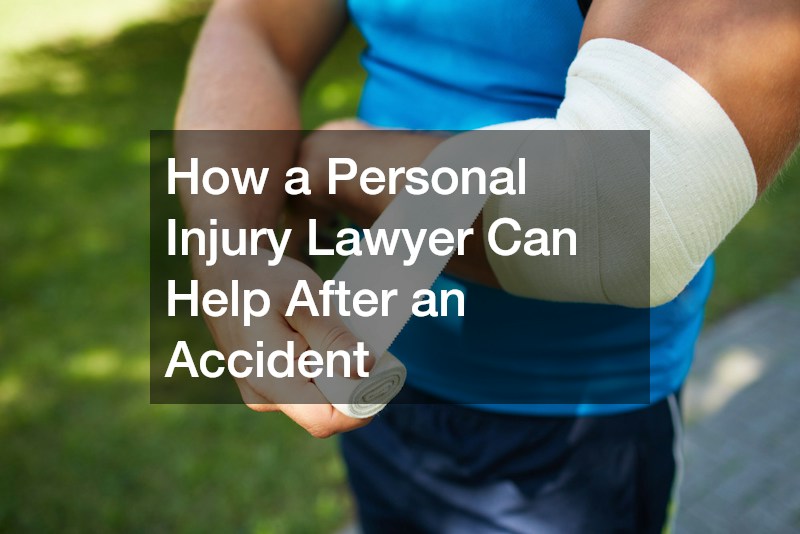
How a Personal Injury Lawyer Can Help After an Accident
Highlights
- Motor vehicle crashes can result in injuries that are not immediately obvious after an accident.
- Medical attention should be a priority, even when injuries initially appear minor.
- Documentation can help preserve important information about what happened.
- Insurance claims may involve medical expenses, vehicle damage, lost income, and other losses.
- A personal injury lawyer can help explain legal options and manage communications related to a claim.
- Understanding the process early can help injured people make informed decisions about their next steps.
Why Can an Accident Become More Complicated Than Expected?
A car accident can seem straightforward at first, but the aftermath may involve medical treatment, insurance claims, property damage, lost wages, and questions about who was responsible. The Centers for Disease Control and Prevention reports that more than 2.8 million emergency department visits in the United States were associated with motor vehicle crash injuries in 2023. The same source identifies motor vehicle crashes as a leading cause of death in the country.
These figures demonstrate why the consequences of a collision can extend beyond the immediate damage visible at the scene. For someone dealing with injuries or financial losses after a crash, understanding the available options can be important. A personal injury lawyer may help an injured person understand the claims process, identify documentation that may be relevant, and communicate with insurers or other parties involved in the dispute.
What Should You Do Immediately After an Accident?
The first priority after a crash should be safety and medical care. The National Highway Traffic Safety Administration recommends seeking immediate medical attention after a crash even when someone believes they have not been injured. Some injuries can also become noticeable later rather than immediately after an impact. The CDC notes that symptoms associated with mild traumatic brain injury or concussion can appear right away or develop hours or days after an injury. Beyond medical care, preserving information from the accident can also be useful when determining what happened. Depending on the circumstances, this may include obtaining the appropriate contact and insurance information, documenting visible vehicle damage, keeping medical records, and retaining other relevant communications. Taking these steps early can provide a clearer record of the accident and its effects. NHTSA also emphasizes that seat belts are a critical safety measure because they help reduce the risk of fatal and serious injuries in crashes.
Which Steps Can Help Preserve Important Information?
Accident-related information can become harder to reconstruct as time passes, particularly when multiple people, vehicles, insurers, or medical providers are involved. Creating an organized record can help keep the relevant details together and make it easier to explain what occurred.
- Document the scene: When it is safe to do so, photographs can capture vehicle damage, roadway conditions, traffic signs, and other visible details.
- Keep medical records: Save bills, treatment information, prescriptions, and other documentation connected to accident-related care.
- Record important dates: Note the accident date, medical appointments, communications, and other significant events.
- Preserve communications: Keep relevant messages, letters, claim information, and correspondence from insurance companies or other parties.
- Track financial effects: Records involving missed work, transportation expenses, repairs, or other accident-related costs may help document the broader impact.
These records do not determine the outcome of a legal claim by themselves, but they can provide useful documentation when the circumstances of an accident and its consequences need to be reviewed.
When Might Legal Assistance Become Useful?
Legal assistance may become relevant when an accident results in significant injuries, disputed responsibility, substantial expenses, or an insurance claim that is difficult to resolve. Every accident is different, and the applicable legal rules can depend on the state where the incident occurred and the specific facts involved. A lawyer can explain how those rules may apply to an individual situation and what types of documentation may be relevant to a potential claim. Legal representation can also provide a point of contact for communications with insurance companies and other parties. This does not mean every accident requires a lawsuit. In some cases, the legal process may involve negotiations or an insurance claim rather than court proceedings. Speaking with a personal injury lawyer can help an injured person understand the available legal options before deciding how to proceed.
How Can a Lawyer Help With an Injury Claim?
A personal injury lawyer can assist with several parts of an accident-related claim, depending on the circumstances. This may include reviewing available evidence, assessing documentation related to injuries and expenses, communicating with insurance companies, and explaining potential legal remedies. A lawyer may also help identify questions that need to be answered before a claim moves forward, such as how responsibility is established or which losses may be recoverable under applicable law. The role can become particularly relevant when an insurer disputes liability, questions the extent of an injury, or offers a settlement that does not resolve the injured person’s concerns. Because personal injury laws vary by jurisdiction, legal guidance should be based on the location of the accident and the specific facts of the case. An attorney can explain the relevant rules rather than relying on general assumptions about accident claims.
What Information Should You Discuss With a Lawyer?
Providing a clear account of the accident and its aftermath can help a lawyer evaluate the circumstances. Useful information may include the date and location of the accident, how the collision occurred, information about other parties, medical treatment, insurance communications, and financial losses. It can also be helpful to explain how injuries have affected everyday activities or employment. Relevant documentation can include police reports, photographs, medical records, repair estimates, insurance correspondence, pay records, and other materials connected to the incident.
- Accident details: Explain what happened before, during, and immediately after the collision.
- Injury information: Provide details about symptoms, diagnoses, treatment, and ongoing medical care.
- Insurance records: Share claim numbers, correspondence, statements, and settlement communications when applicable.
- Financial documentation: Include records related to medical bills, lost income, property damage, and other expenses.
- Witness information: Provide names and contact information for people who may have observed the accident when available.
Having this information organized can make an initial legal discussion more productive and give the attorney a clearer picture of the circumstances.
What Should You Keep in Mind as Your Claim Moves Forward?
An accident claim can develop over time as medical treatment continues, evidence is reviewed, and insurance companies evaluate the circumstances. It is important to understand that an injury claim is not determined solely by the visible damage to a vehicle or how someone feels immediately after a crash. The CDC notes that some concussion symptoms can emerge hours or days after an injury, reinforcing the importance of paying attention to changes in health after an accident. Legal deadlines can also vary depending on the jurisdiction and type of claim, so injured people should avoid assuming that every state follows the same timeline. Keeping organized records and communicating accurately about the accident can help maintain a consistent account of events. When questions arise about liability, compensation, insurance negotiations, or applicable deadlines, a qualified attorney can explain the legal considerations relevant to the particular case.
How Can the Right Information Help After an Accident?
The period following an accident can involve decisions that affect both recovery and a potential legal claim. Seeking appropriate medical attention, preserving relevant documentation, keeping track of expenses, and understanding insurance communications can all help create a clearer record of what happened. NHTSA’s crash research also demonstrates how investigators can use information about crash circumstances, vehicle damage, restraint systems, medical care, and injury outcomes when studying real-world collisions. While an individual claim is different from a research investigation, the broader point remains that details surrounding a crash can matter when its causes and consequences are reviewed. A personal injury lawyer can help explain what information may be relevant to a particular claim and what legal options may be available. Taking informed steps early can make it easier to address the practical and legal issues that follow an accident.




Post Comment